Ever wondered what could protect your small business from unexpected stormy weather? Just like an umbrella shields you from rain, small business insurance safeguards your enterprise from unforeseen mishaps. In the whirlwind world of small businesses, having the right insurance is not just a good idea—it’s a lifeline.
Packed with insights and practical examples, this guide is your navigation tool in the realm of small business insurance. We’ll break down the types of insurance your business might need, show you how to select the best provider, and shed light on future insurance trends that could transform how you protect your business. Ready to dive in?
Types of Small Business Insurance
Ever wondered what could save your small business from financial disaster? Insurance is your safety net.
There are several types of insurance that can protect your business from unexpected events. But which ones are essential for you? Let’s break it down.
General Liability Insurance
General Liability Insurance covers your business against claims of bodily injury, property damage, and advertising injury. If a customer slips and falls in your store, this insurance kicks in. You don’t want to be paying out of pocket!
| Insurance Type | Coverage | Benefits | Cost |
|---|---|---|---|
| General Liability Insurance | Injuries, property damage, advertising harm | Protects against lawsuits | Starts at $500 annually |
Pro Tip: Always check if your policy includes coverage for legal defense costs.
Property Insurance
Your business property is your fortress. Property Insurance covers loss and damage to physical assets due to events like fire, theft, or vandalism. Imagine waking up to find your office flooded. This insurance ensures you’re not spending your own money to rebuild.
| Insurance Type | Coverage | Benefits | Cost |
|---|---|---|---|
| Property Insurance | Fire, theft, vandalism damages | Covers repair/replacement | Starts at $750 annually |
Pro Tip: Make sure your policy covers both the physical location and its contents.
Workers’ Compensation Insurance
Here’s the deal: if you have employees, Workers’ Compensation Insurance is a must. This insurance provides medical benefits and wage replacement if an employee is injured on the job. You’d rather focus on your business than on a lawsuit, right?
| Insurance Type | Coverage | Benefits | Cost |
|---|---|---|---|
| Workers’ Compensation Insurance | Employee injuries | Covers medical expenses, lost wages | Based on payroll, starting at $1,000 annually |
Pro Tip: Regularly update your policy based on payroll changes to avoid any surprises.
Importance of Small Business Insurance
Did you know nearly 40% of small businesses never reopen after a disaster? That’s why having insurance isn’t just a good idea, it’s a survival tool.
Small business insurance is your safety net. Without it, you’re one mishap away from financial disaster. Let’s dive into why it’s critical for survival and growth.
Why Insurance Matters
Insurance safeguards your business from unforeseen challenges that can arise anytime. It’s not just about coverage, it’s about peace of mind. Operating without it is like walking a tightrope without a safety net. Here is the deal: one unexpected event can wipe out everything you’ve built.
Consider these potential risks of operating without insurance:
- Financial losses from lawsuits
- Property damage costs
- Business interruption
- Employee injuries
Now, let’s talk about the benefits of having insurance. It’s the cushion that absorbs the blow when life tries to knock you down.
- Protects your assets
- Minimizes financial losses
- Ensures business continuity
- Boosts credibility with clients
Insurance doesn’t just protect; it empowers. Businesses with insurance bounce back faster and stronger when disasters strike.
Pro Tip: “Don’t wait for the storm—prepare your safety net now.”
Take for example, businesses hit by hurricanes or fires; those with insurance come out on top. They quickly rebuild, reassured by the financial support of their coverage.
Small Business Insurance Cost Factors
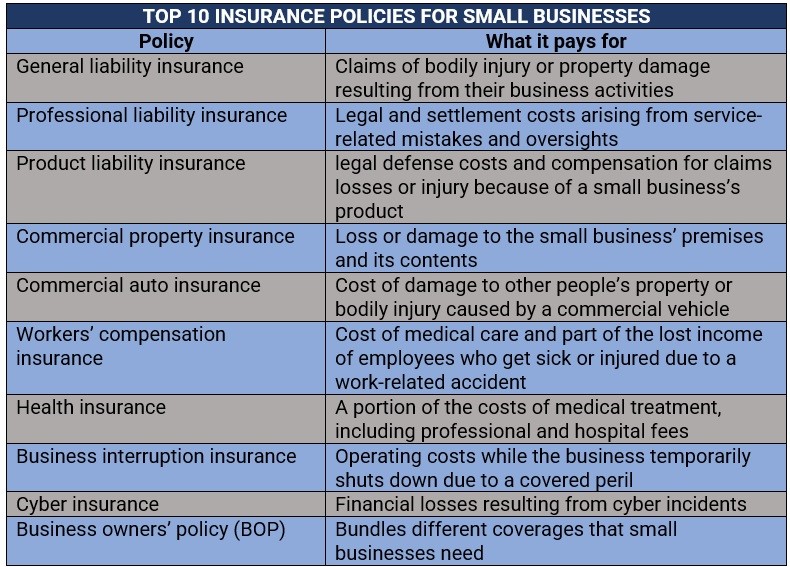
Ever wondered why your small business insurance costs as much as it does? Well, you’re not alone. The truth is, insurance isn’t a one-size-fits-all deal.
The cost of insuring your business is influenced by a multitude of factors, ranging from the industry you’re in to the level of risk you’re exposed to. Here’s the deal: knowing these factors can help you control your insurance expenses better.
Factors Influencing Insurance Costs
Let’s break it down. The size of your business plays a significant role. Larger businesses typically face higher premiums due to increased risk and potential for larger claims. But it doesn’t stop there. Your location and the nature of your operations are crucial too. For instance, a restaurant in a flood-prone area will pay more than one in a low-risk zone.
Industry-Specific Premium Variations
Ever thought about how your industry impacts your insurance? Different industries are subject to varying levels of risk, which directly affects insurance costs. Check out this table to see how it breaks down:
| Industry | Risk Level | Average Premium | Common Coverage |
|---|---|---|---|
| Construction | High | $5,000 | General Liability, Workers’ Comp |
| Retail | Medium | $1,500 | Property Insurance, Product Liability |
| IT Services | Low | $1,000 | Professional Liability, Cyber Insurance |
Strategies to Reduce Insurance Costs
Here’s a pro tip: Bundle your policies to save money. Many insurers offer discounts if you consolidate multiple coverages with them. But that’s not all you can do. Implementing a comprehensive risk management plan can lead to reduced premiums. Regularly reviewing and updating your coverage ensures you’re not overpaying for outdated policies.
Pro Tip: Regular safety training and procedures can significantly lower your risk profile and, consequently, your insurance costs.
In the end, understanding these factors is your ticket to smarter savings on your small business insurance.
Selecting the Right Insurance Provider

Choosing an insurance provider is like choosing a business partner. Get it right, and you’ve got peace of mind. Get it wrong, and you’re in for a headache.
But how do you pick the perfect provider from the sea of options? Let’s dive in!
Methods for Evaluating Insurance Providers
Here’s the deal: Not all providers are created equal. Research is your best friend. Start by checking their financial stability. A quick peek at their ratings on sites like A.M. Best or Moody’s can reveal a lot.
Next, examine their customer service track record. A provider might look great on paper, but if they don’t answer calls or emails promptly, what’s the point?
Pro Tip: Call their customer service line yourself and see how they handle your questions.
Criteria to Consider When Choosing a Provider
When you’re browsing through potential providers, keep your eyes peeled for key criteria. First, check if they specialize in small business insurance. You want someone who understands your specific needs.
Another vital aspect is the range of coverage options they offer. A one-size-fits-all approach doesn’t work in business. Lastly, assess their claims process. You don’t want to be left hanging when disaster strikes.
Questions to Ask Insurance Agents
Before you sign anything, grill your insurance agent with these questions:
- What types of policies do you specialize in?
- How do you handle claims?
- Can you provide references from other small businesses?
- What is your process for updating coverage as my business grows?
These questions can reveal a lot about how they’ll treat you as a client.
Checklist for Assessing Provider Credibility
Here’s a quick checklist to make sure you’re in good hands:
- Check financial ratings on A.M. Best or Moody’s.
- Read customer reviews online.
- Verify their licensing status in your state.
- Confirm they have experience with small businesses.
- Ask about their claims support and process.
Tick these boxes, and you’re on your way to a solid choice!
Common Claims in Small Business Insurance
Did you know that over 30% of small businesses will face an insurance claim within the first year? That’s a staggering number. If you run a small business, it’s crucial to know the common claims and how they can impact your premiums.
Understanding the types of claims that frequently occur can help you mitigate risks and potentially reduce costs. Here’s what you need to know about the most common small business insurance claims and their effects on your rates.
Overview of Common Insurance Claims
Small businesses commonly file claims for property damage, liability, and employee-related incidents. Property damage due to natural disasters or theft can severely disrupt operations. Liability claims, such as customer slips and falls, are typical and can be costly. Meanwhile, employee-related claims, like workers’ compensation, often lead to increased scrutiny from insurers.
| Claim Type | Frequency | Average Payout | Impact on Premium |
|---|---|---|---|
| Property Damage | High | $30,000 | Moderate Increase |
| Liability | Moderate | $20,000 | High Increase |
| Employee-related | Low | $10,000 | Minimal Increase |
Strategies for Preventing Common Claims
Here is the deal: preventing these claims can save you money and headache. Start by implementing risk management protocols. Regular safety audits can identify potential hazards and help you address them before they become costly claims. Consider investing in staff training focused on safety and compliance.
Pro Tip: Install security systems and surveillance cameras to deter theft and document incidents. This can lead to reduced premiums and a quicker response from your insurer.
But don’t stop there. Keep detailed records of all incidents, no matter how small, to help you identify patterns and take corrective action. Your insurance provider will appreciate your proactive approach, potentially rewarding it with lower rates at renewal.
Future Trends in Small Business Insurance
Are you ready for the next wave of changes in small business insurance? The landscape is shifting fast, and if you’re not prepared, you might get left behind.
The world of small business insurance is evolving, driven by technology and new market demands. From AI to blockchain, these innovations are not just buzzwords; they’re shaping the policies you’ll be buying soon. But what does this mean for you?
Emerging Technologies and Their Impact
One major trend is the integration of AI in risk assessment. With AI, insurers can now analyze massive datasets to better understand risks, leading to more accurate premiums. This not only saves time but also ensures fairer pricing for you.
Another game-changer is blockchain technology. It can enhance transparency and reduce fraud in claims processing. Imagine a world where claims are settled in minutes instead of weeks. That’s the power of blockchain.
Potential Future Changes in Insurance Policies
As these technologies continue to develop, expect insurance policies to become more personalized. Insurers will use data analytics to create custom-tailored policies that fit your business like a glove. But here’s the deal: you need to be proactive to leverage these changes.
| Trend | Impact | Opportunities | Threats |
|---|---|---|---|
| AI in Risk Assessment | More accurate premiums | Fairer pricing, faster processing | Data privacy concerns |
| Blockchain in Claims | Enhanced transparency | Faster claims, reduced fraud | Complex integration processes |
| Data-Driven Personalization | Custom-tailored policies | Better fit for businesses | Potential for data misuse |
The Role of Technology in Shaping Insurance Services
Technology isn’t just influencing small business insurance; it’s reinventing it. With the rise of digital platforms, you can now access insurance services 24/7. This on-demand availability means you can secure a policy even at midnight if you need to.
Moreover, predictive analytics is enabling insurers to anticipate trends and adjust offerings accordingly. This proactive approach means better protection for your business as risks evolve. But, the key is staying informed and adaptable.
Pro Tip: Keep abreast with technology developments to seize new opportunities before your competition does.
In summary, the future of small business insurance is bright and full of opportunities for those who embrace change. Are you ready to ride the wave?
Summary
As we wrap up, consider small business insurance as your trusty co-pilot on your entrepreneurial journey. It’s not just about covering risks—it’s about peace of mind and the freedom to innovate without fear. So, arm yourself with the right coverage, stay ahead of industry trends, and ensure your business is ready to face any storm that comes its way.
FAQ Section
What are the essential types of insurance for a small business?
Common types include general liability insurance, property insurance, and workers’ compensation insurance, each providing specific coverage for different business needs.
Why is small business insurance important?
Insurance protects your business from financial loss due to accidents, natural disasters, or lawsuits, allowing you to operate with confidence.
How can I reduce my small business insurance costs?
Consider bundling policies, improving workplace safety, and regularly reviewing your coverage to ensure it’s still relevant and cost-effective.
What should I look for in an insurance provider?
Evaluate their reputation, financial stability, customer service, and the range of coverage options available.
How do common claims affect my insurance premiums?
Frequent claims can lead to higher premiums upon renewal, as they indicate a higher risk level to insurers.
